Oopbuy shop guide: pick a category or a brand
Start from a category
Eight categories, ordered by how many listings the index currently records in each. The count matters because a category with two thousand rows behaves differently from one with a hundred: the first needs filtering, the second needs browsing.
T-Shirts
NaN items in the index
the largest category by count, and the one where print placement is the whole decision
Hoodies & Sweaters
NaN items in the index
weight and fabric decide whether it is a spring layer or a winter one
Shoes
NaN items in the index
the category with the most failure modes, and the one a checklist genuinely helps with
Pants & Shorts
NaN items in the index
measurements do the work here; the listing photo rarely does
Jackets
899 items in the index
fill, hardware and lining are what you are actually paying for
Accessories
885 items in the index
small, high margin, and where a fake is hardest to spot in a photo
Headwear
276 items in the index
cheap to try and easy to get wrong on size rather than looks
Other Stuff
120 items in the index
mixed, small, and occasionally where the best value hides
Counts are listings recorded in the index snapshot taken 23 Oct 2026, not a claim about the source site's inventory. Counts and prices on this page come from one reading of the Oopbuy spreadsheet index on 23 Oct 2026 (11,414 rows indexed then). The index moves; a number here is a record, not a live reading.
Or start from a brand
Brands cut across categories, which makes them the faster entry point when you already know what you want. Twelve brands have their own index pages; the rest of the catalogue is reachable through category browsing.
Brand counts come from the source's own brand field where one exists. About half of all listings carry no brand at all, so a brand page is a starting point rather than a complete inventory — the brand index explains what that means for a search.
Two filters that do most of the work
Every route below leads to the same catalogue. They differ in how much of it you see at once.
Pick by intent rather than by label: popular if you want to see what others are looking at, categories if you know the object, brands if you know the name. The three overlap, and none of them is more complete than the others.
What a category actually looks like
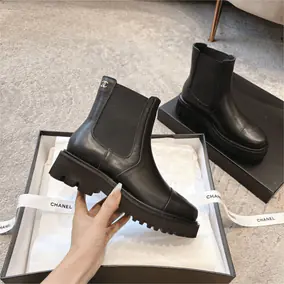
Four listings from the shoes category, shown exactly as the index records them: name, source platform, reference price in CNY and the converted dollar figure the source publishes alongside it.
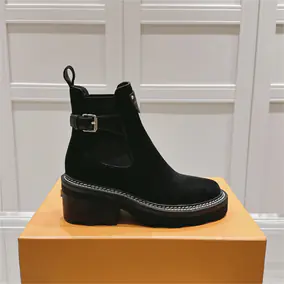
Louis Vuitton Chelsea Boots
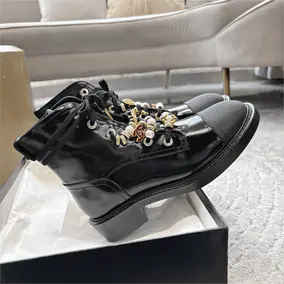
Chanel Ankle Boots
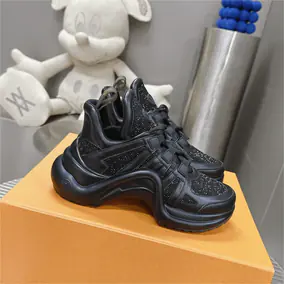
Louis Vuitton Chunky Sneakers
Image URLs resolve against the catalogue's own image host. Prices are listing references read on 23 Oct 2026 and are not quotations; the price that binds you is the one on the order summary.
Once you have picked a category, the index does the rest
The catalogue carries 11,414 recorded listings across eight categories, each with a source link and a reference price, so a shortlist can be built before anything is ordered.