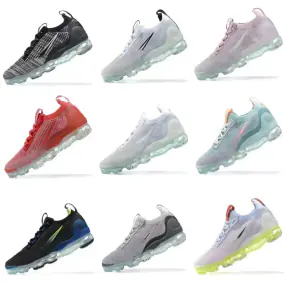
Brand indexes: when they help and when they mislead
How brand browsing actually works here
Five criteria that decide whether a brand page will answer your question.
- Whether the brand field is populated
- About half of listings in the snapshot carry no brand. A brand page is therefore a floor on what exists, not a ceiling.Where to look: The count on each brand tile, compared with the category counts.
- Whether the brand is matched by field or by name
- Two brands in this index behave differently. Most are matched on the catalogue's own brand field; one has an empty field and is matched by product name instead, which changes both the count and the precision.Where to look: The note under the brand tile.
- Whether the brand spans categories or sits in one
- A brand concentrated in one category is really a category browse with a filter. One spread across six categories is a genuine second axis.Where to look: The category column on each recorded listing.
- Whether listings are variants of few items
- Several products in this catalogue are single items offered in dozens of colourways. A high count with few distinct items behaves differently from a high count with many.Where to look: Product names, which often state a variant count directly.
- Whether a spelling variant exists
- Brand names get written several ways in a mixed catalogue. If a search returns nothing, try the shorter form before concluding the item is absent.Where to look: The search box on the index.
Read together, the five criteria say something simple: a brand page is a good first move and a poor last word. Verify with a search before deciding something is not there.
The six brands with the most recorded listings
Ordered by count in the current snapshot. The full set of twelve brand pages is one click away.
The brand index lists every brand page the site publishes, including the smaller ones where browsing works better than filtering.
What a brand page shows — Nike, sorted by price
The four most expensive recorded listings under this brand, chosen to show the spread rather than the average. A brand concentrated at one price point and a brand spanning a wide range are different propositions.
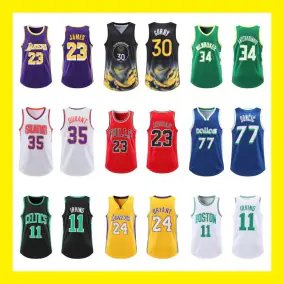
Golden State Warriors Jersey
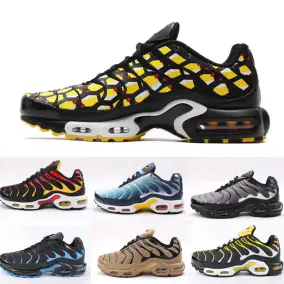
Nike Chunky Sneakers
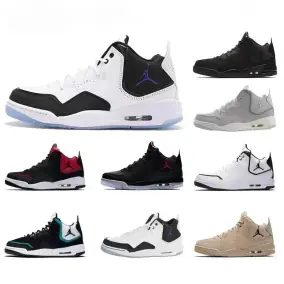
Nike Air Jordan Basketball Shoes
Sorted dearest first on purpose: the top of a brand's range tells you what the catalogue thinks the brand is worth, which is more informative than the median.
Three ways to find a brand the field missed
Each fallback has a different failure mode, and knowing which one you are using tells you how much to trust a negative result.
| Method | Best for | Where it fails |
|---|---|---|
| Brand index page | Brands with a populated field | Returns nothing for the roughly half of listings with no brand recorded |
| Product-name search | Brands the field misses, including the one matched this way | Misses items whose name omits the brand, which is common on unbranded basics |
| Category browse | Narrowing by object rather than by name | Slow on large categories, and gives no brand ordering at all |
A negative result from any one method is weak evidence. Two negatives from different methods is stronger, and still not proof — which is why the honest wording on a brand page is "we did not find it here" rather than "it does not exist".
Brand questions
Four answers about brand browsing.
Why does one brand show zero on its own field?
Because the catalogue files that brand's items under a parent name. Searching by product name finds them; the brand field does not. The brand page says so in its own words rather than quietly showing an empty grid.
Is a brand page a complete inventory?
No. It is everything the index recorded under that brand at the snapshot time, and the brand field is empty on about half of all listings. The brand index states this once, and each brand page repeats it in context.
Why sort by price rather than by popularity?
Because the top of a range is more informative than the middle. Popularity ordering on a brand page mostly reproduces what the source site already promotes, which is the least independent view available.
Can I combine a brand with a category?
Yes, and on the largest categories it is the fastest way to a shortlist. Start at the category guide if you want the counts to think with.
A brand page shows what was recorded, not what exists
The index holds 11,414 listings with a brand field that is populated about half the time. That limitation is stated on every page it affects.